Joan Child: The Pioneering Woman Who Made Australian Parliamentary History

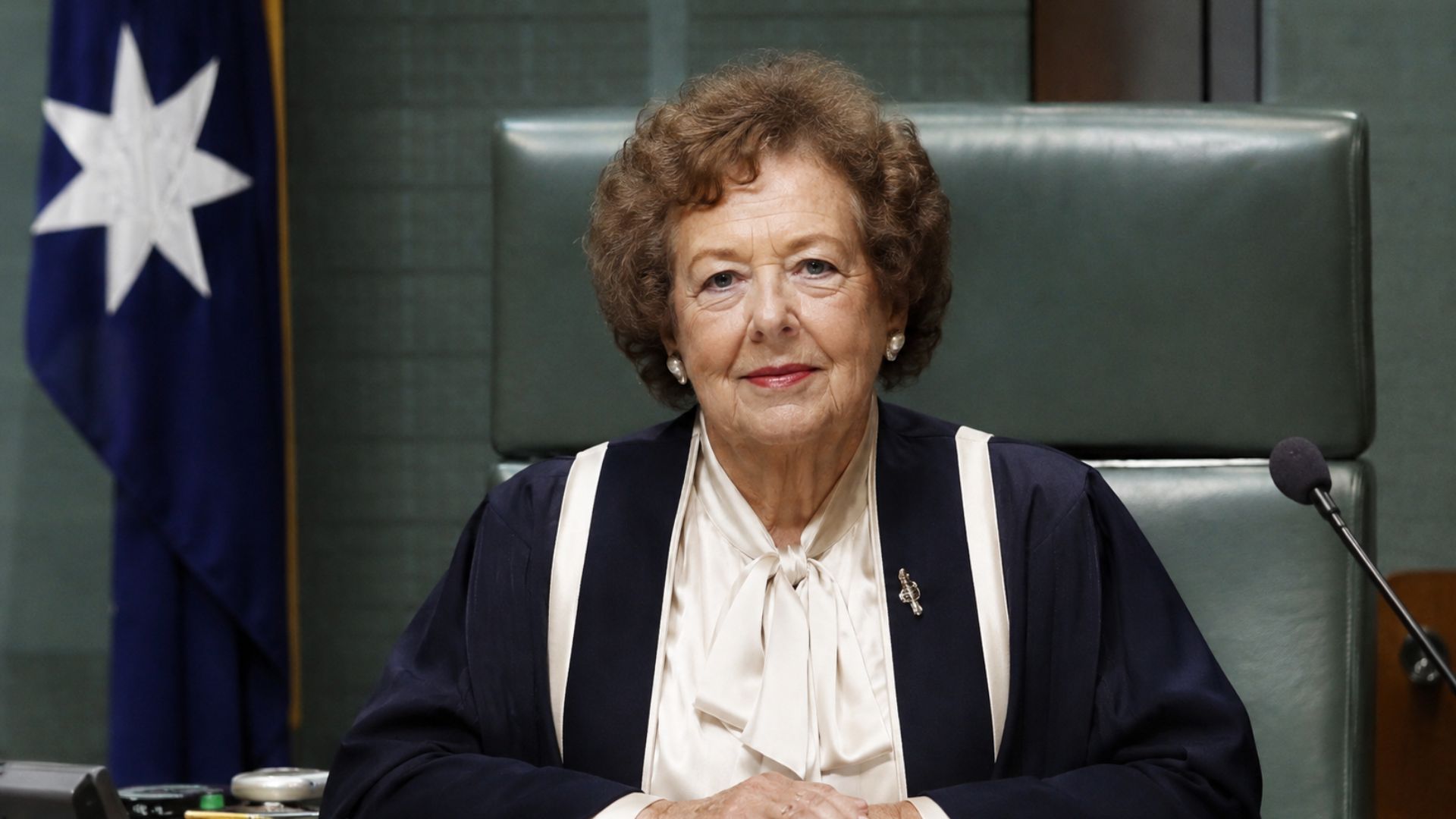
Joan Child was an Australian politician whose life reflected determination, social responsibility, and a remarkable commitment to public service. Best remembered as the first woman to become Speaker of the Australian House of Representatives, she broke an important barrier in Australian political history. Her journey was particularly notable because she came from a working-class background, raised five children, and experienced financial difficulties before entering federal politics. Through persistence and dedication, she eventually reached one of the most respected positions in Australia’s Parliament.
Quick Bio of Joan Child
| Full Name | Gloria Joan Liles Child |
|---|---|
| Known As | Joan Child |
| Born | 3 August 1921 |
| Birthplace | Victoria, Australia |
| Died | 23 February 2013 |
| Age at Death | 91 |
| Political Party | Australian Labor Party |
| Electorate | Henty, Victoria |
| Federal Parliamentary Career | 1974–1975 and 1980–1990 |
| Historic Position | First woman Speaker of the Australian House of Representatives |
| Speaker | 1986–1989 |
| Honour | Officer of the Order of Australia (AO) |
Early Life and Family Background
Joan Child was born Gloria Joan Liles Olle on 3 August 1921 in Victoria. Her childhood included time in several Victorian communities, and she received educational opportunities that helped shape her outlook. Her upbringing was not one of privilege, and her later experiences with work and family responsibilities gave her a strong understanding of the challenges faced by ordinary Australians.
In 1942, she married Harold “Hal” Child. Her life later took a difficult turn when she became responsible for raising five sons following her husband’s death. Supporting a large family required considerable determination, and she worked in different occupations to provide for her children. These experiences had a lasting influence on her political beliefs and helped develop her concern for workers, families, women, and people experiencing economic hardship.
Entering Australian Politics
Joan Child joined the Australian Labor Party in 1964. Her involvement in political and community activities developed during a period when women’s participation in Australian public life was increasing, although senior political positions remained overwhelmingly occupied by men.
She became involved in causes associated with equal pay, women’s rights, and social justice. Her political interests were closely connected with the experiences she had encountered in her own life. Rather than coming from a traditional political career, she brought the perspective of someone who had worked, raised a family, and dealt with financial pressures.
Child first contested the federal seat of Henty in 1972. Although she was unsuccessful at that election, she continued working toward her political goals. Her persistence eventually paid off.
Election to the House of Representatives
In 1974, Joan Child won the Victorian electorate of Henty and entered the Australian House of Representatives. Her election was historically significant because she became the first Labor woman elected to the House and one of only a small number of women serving in federal Parliament at the time.
Her first parliamentary period was brief. Following the political upheaval of the mid-1970s, she lost Henty at the 1975 federal election. However, this setback did not end her political career. Instead, she worked toward returning to Parliament.
In 1980, Child successfully won Henty again. She remained a federal member until her retirement in 1990, establishing a parliamentary career that lasted through an important period of change in Australian political and social life.
Becoming the First Woman Speaker
The most important milestone in Joan Child’s career came on 11 February 1986, when she was elected Speaker of the House of Representatives. With this achievement, she became the first woman to hold the position.
The Speaker plays a crucial role in Australia’s parliamentary system. The position involves presiding over debates, maintaining order, interpreting parliamentary procedures, and ensuring that proceedings are conducted according to the rules of the House.
For Child, becoming Speaker represented much more than a personal achievement. It demonstrated that women could reach senior positions within Australia’s federal parliamentary system. At a time when political institutions were still strongly dominated by men, her appointment was a significant step forward.
Leadership During a Changing Era
Joan Child’s years as Speaker coincided with an important period in Australian history. One of the most memorable developments occurred in 1988, when the Australian Parliament moved from the provisional Parliament House to the newly opened Parliament House in Canberra.
Child had the distinction of serving as Speaker during this historic transition. She became the last Speaker of the House in the old Parliament House and the first Speaker to preside in the new building.
Her responsibilities were not always easy. Parliamentary debates, particularly Question Time, could be intense and confrontational. As Speaker, Child had to maintain authority over members from different political parties while ensuring that parliamentary procedures were respected.
Her personal background also made her achievement particularly meaningful. She had not followed a conventional path toward political power. Her experiences as a mother, worker, and community-minded politician remained an important part of the public story surrounding her career.
Political Values and Public Service
Joan Child was closely associated with Labor’s traditional concerns about working people and social equality. Her own life experiences contributed to her understanding of economic insecurity and the responsibilities faced by families.
Women’s participation in political life was another important part of her legacy. Her career demonstrated that women could move beyond traditionally limited roles and contribute directly to national decision-making.
Although her historic position as Speaker receives much attention, her broader contribution should not be overlooked. She spent many years representing the people of Henty and participating in federal political life. Her career helped demonstrate the value of persistence in public service, especially for people who did not begin with political influence or wealth.
Retirement and Later Recognition
Joan Child retired from federal Parliament in 1990. Her contribution to Australian public life was recognized that same year when she was appointed an Officer of the Order of Australia.
She later received the Centenary Medal in 2001, another recognition of her contribution to the nation. These honours reflected the significance of her parliamentary service and her place in Australian political history.
After leaving Parliament, Child remained remembered as a pioneering figure. Her story continued to attract attention because it combined personal resilience with an important achievement for women in Australian public life.
Death and Lasting Legacy
Joan Child died in Melbourne on 23 February 2013 at the age of 91. Her death prompted tributes from political figures and others who recognized her contribution to Australian democracy.
Her legacy is particularly important because she helped change expectations about women’s roles in federal politics. As the first woman Speaker of the House of Representatives, she opened an important chapter in Australia’s parliamentary history.
Her life also provides a compelling example of perseverance. She experienced personal hardship, raised five children, worked in ordinary jobs, faced an electoral defeat, returned to Parliament, and eventually reached one of the highest parliamentary offices in the country. Her journey shows that political leadership can emerge from everyday experiences rather than privilege or an established political background.
Joan Child remains an important name in Australian political history because her achievements extended beyond her own career. She represented the growing participation of women in public life and demonstrated the importance of determination, representation, and service. Her story continues to offer valuable historical insight for readers interested in Australian politics, women’s achievements, and social change. For readers who want to explore more biographies and stories about notable people, Mating Press provides another place to discover engaging English-language content and informative articles.
FAQs About Joan Child
Who was Joan Child?
Joan Child was an Australian Labor politician who represented the federal electorate of Henty in Victoria. She became the first woman Speaker of the Australian House of Representatives.
When did Joan Child become Speaker?
Joan Child was elected Speaker of the Australian House of Representatives on 11 February 1986. She held the position until August 1989.
What was Joan Child’s political party?
Joan Child was a member of the Australian Labor Party. She joined the party in 1964 and later served as its federal representative for Henty.
How long was Joan Child in Parliament?
Her federal parliamentary service covered two periods, from 1974 to 1975 and from 1980 to 1990. She retired from Parliament in 1990.
Why is Joan Child historically important?
Joan Child is historically important because she became the first woman Speaker of Australia’s House of Representatives. Her career also represented an important step forward for women’s participation in Australian federal politics.
You May Also Readr https://matingpresss.co.uk/