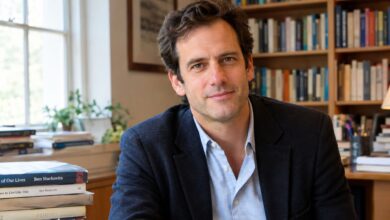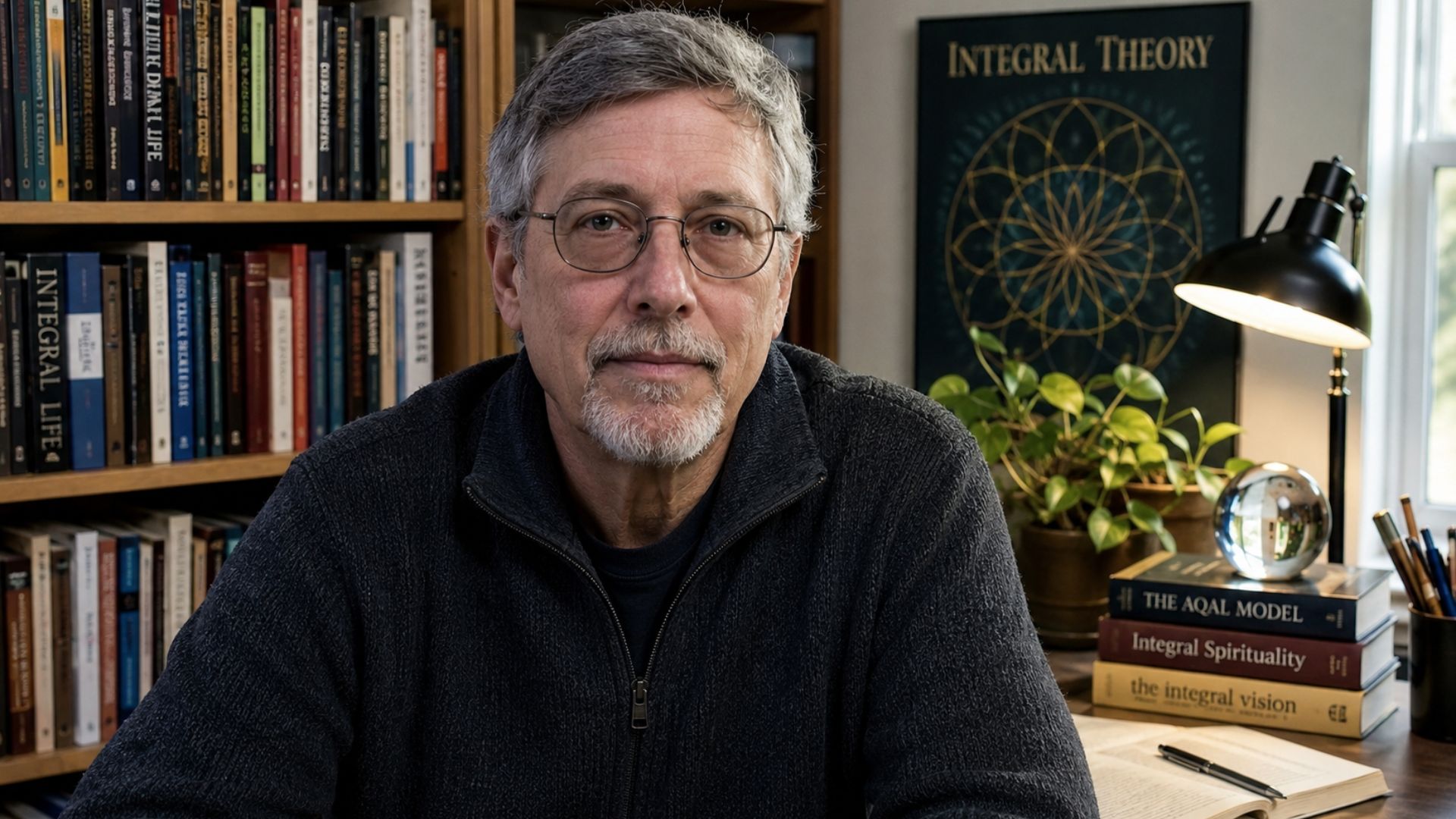

Ed Berge is a writer, independent researcher, and longtime participant in discussions surrounding integral theory, philosophy, spirituality, postmodernism, and social change. Although he is not a mainstream celebrity, his work has attracted attention among readers interested in alternative approaches to consciousness, culture, knowledge, and human development. His essays and discussions often examine major ideas critically rather than simply accepting established interpretations. Over the years, Berge has developed a reputation as a thoughtful contributor to conversations about postmetaphysical spirituality, participatory thinking, integral theory, and related philosophical subjects. His background combines literary study, professional experience, and a sustained personal interest in research and writing.
Quick Bio
| Detail | Information |
|---|---|
| Full Name | Edward Berge |
| Known As | Ed Berge |
| Profession | Writer, researcher, and independent thinker |
| Education | BA in English Literature from Arizona State University |
| Academic Recognition | Graduated summa cum laude |
| Honor Society | Phi Beta Kappa |
| Professional Background | Massage therapist and professional liability insurance underwriter |
| Known For | Writing on integral theory, postmetaphysical spirituality, philosophy, and social change |
| Other Interests | Dance, art, literature, research, and cultural criticism |
| Online Work | Essays, forum discussions, and collaborative intellectual writing |
Who Is Ed Berge?
Ed Berge is best known in certain online intellectual communities for his detailed engagement with philosophical and cultural questions. His writing is associated particularly with discussions of integral theory and attempts to understand human consciousness through broader and more participatory frameworks.
One important feature of his work is that he does not appear to approach ideas as fixed systems that must simply be defended. Instead, he often compares theories, identifies tensions within them, and explores whether different models can better explain human experience and social development. This critical approach has helped distinguish his writing within specialist discussions.
Berge’s interests include the relationship between spirituality and philosophy, the development of consciousness, postmodern thought, scientific perspectives, social organization, and emerging forms of cooperation. These subjects can be complex, but they share an important question: how should people understand themselves and their relationship with the wider world?
Education and Literary Background
A significant part of Ed Berge’s intellectual foundation comes from his academic study of English literature. He graduated summa cum laude with a Bachelor of Arts degree in English Literature from Arizona State University and was associated with the Phi Beta Kappa National Honor Society.
A literary education can provide more than knowledge of books and authors. It also develops skills in interpretation, argument, critical reading, and the examination of different perspectives. Those abilities are visible in Berge’s later writing, where he frequently engages closely with the arguments of philosophers, theorists, and contemporary writers.
His work often moves across disciplinary boundaries. Rather than remaining limited to literature or spirituality alone, he explores connections between culture, economics, politics, philosophy, science, and theories of consciousness. This interdisciplinary approach is especially relevant to the intellectual traditions that influenced his writing.
Interest in Integral Theory
Integral theory has been one of the important areas connected with Berge’s work. Broadly speaking, integral approaches attempt to bring together different dimensions of human knowledge and experience rather than reducing reality to a single explanation.
However, Berge has also been known for examining and questioning assumptions within established integral frameworks. His discussions explore issues surrounding metaphysics, development, individual experience, and the relationship between personal consciousness and social structures.
This makes his contribution different from that of someone who simply promotes a particular theory. He has shown interest in what happens when ideas are tested against new developments in philosophy and science. His work on postmetaphysical approaches reflects an effort to move beyond explanations based entirely on fixed assumptions about reality.
Such questions are important because theories about consciousness can influence how people understand spirituality, society, education, and personal development. Berge’s writing asks readers to consider whether older models remain sufficient or whether new frameworks are necessary.
Postmetaphysical Spirituality and Philosophy
One of the areas most closely associated with Ed Berge is postmetaphysical spirituality. This approach examines spiritual and philosophical questions without automatically relying on traditional claims about a permanent, separate metaphysical reality.
The subject can be difficult because spirituality is often discussed using concepts that are treated as universal truths. A postmetaphysical perspective instead asks how beliefs, experiences, language, culture, and social conditions shape the way people interpret reality.
Berge has participated actively in discussions focused on these issues. His work considers whether spiritual development can be understood in ways that remain open to critical examination. Rather than treating science and spirituality as completely separate worlds, these discussions can explore how different forms of knowledge might interact.
This does not necessarily mean reducing spiritual experience to scientific measurement. Instead, it involves asking how personal experiences can be discussed responsibly while recognizing the importance of interpretation and context.
Writing, Research, and Online Discussions
The internet has played an important role in allowing independent writers and researchers to participate in specialist intellectual communities. Ed Berge has used essays and forum discussions to contribute to conversations that may not always receive widespread attention in mainstream media.
His work has appeared in contexts connected with discussions of integral philosophy and postmetaphysical thinking. He has written about major intellectual figures and ideas, including critiques and examinations of economic, philosophical, and cultural theories.
One notable aspect of this style of work is the emphasis on dialogue. Intellectual development does not always happen through formal books or university institutions alone. Online discussions can also create opportunities for people to exchange arguments, challenge assumptions, and develop ideas collectively.
Berge’s participation in these conversations demonstrates the role independent researchers can play in modern intellectual life. A person does not necessarily need to be a famous academic to make a meaningful contribution to a specialized field.
Professional Life and Diverse Experience
Beyond writing and research, Ed Berge has had professional experience in more than one field. His background has included work as a massage therapist and as a professional liability insurance underwriter before retirement from the latter profession.
This variety is notable because intellectual interests often develop alongside experiences outside formal academic careers. Work in practical professions can expose individuals to different aspects of human life, responsibility, organizations, and personal interaction.
Berge has also described interests extending to dance, art, and literary criticism. These creative and cultural interests complement his philosophical writing. Questions about consciousness and human development are not limited to abstract theory; they can also connect with movement, creativity, artistic expression, and lived experience.
His broad range of interests helps explain why his work frequently crosses conventional categories.
Collaboration and Social Change
Another important dimension of Berge’s intellectual interests involves participatory approaches to society. His discussions have engaged with ideas concerning cooperation, peer production, collective development, and changing economic structures.
In a rapidly changing world, questions about how people organize knowledge and resources have become increasingly important. Digital technology has created new possibilities for collaboration, while also raising concerns about inequality, corporate power, and control over information.
Berge’s engagement with these topics reflects a wider interest in how emerging social systems could reshape traditional institutions. His work considers intellectual and cultural change alongside economic and technological transformation.
This perspective suggests that individual development and social development should not always be treated as completely separate processes. The ways people communicate, cooperate, and organize can influence consciousness and culture, while changing ideas can also influence institutions.
Why Ed Berge’s Work Remains Interesting
Ed Berge may not have the public profile of a bestselling author or television personality, but his work is relevant to readers who enjoy exploring challenging ideas. His importance lies primarily in his role as an independent participant in continuing philosophical conversations.
His writing encourages critical engagement rather than passive acceptance. Readers interested in integral thought, spirituality, postmodernism, consciousness, and participatory social theory can find value in examining the questions he raises.
Another reason his work is interesting is its interdisciplinary nature. Modern problems rarely fit neatly into one category. Technology affects culture, culture affects politics, and personal beliefs can influence social institutions. Approaching these questions from multiple perspectives can provide a richer understanding.
Ed Berge’s intellectual journey therefore illustrates how independent research and sustained curiosity can contribute to specialized fields of discussion.
Legacy and Continuing Relevance
The legacy of Ed Berge is best understood through the ideas and conversations connected with his work. Rather than being defined by a single famous publication, his contribution has developed through essays, critiques, collaborations, and ongoing engagement with intellectual communities.
His work reflects a willingness to question established frameworks while searching for more comprehensive ways to understand reality. That approach remains valuable in an era when rapid technological and social change continually challenges older assumptions.
For readers interested in philosophy beyond conventional boundaries, his writing offers an example of independent intellectual exploration. His educational background, professional experiences, creative interests, and commitment to research have all contributed to a distinctive perspective. For more engaging biographies, cultural discussions, and articles exploring fascinating individuals and ideas, Mating Press aims to provide readers with accessible and informative content on a wide range of subjects.
FAQs
Who is Ed Berge?
Ed Berge, also known as Edward Berge, is a writer and independent researcher known for his involvement in discussions about integral theory, philosophy, postmetaphysical spirituality, and social change.
What did Ed Berge study?
He earned a BA in English Literature from Arizona State University, graduating summa cum laude, and was associated with the Phi Beta Kappa National Honor Society.
What is Ed Berge known for?
He is known for writing and participating in discussions about consciousness, spirituality, integral theory, postmodernism, participatory thinking, and related philosophical topics.
What was Ed Berge’s professional background?
His professional background has included work as a massage therapist and as a professional liability insurance underwriter.
Why is Ed Berge important to readers interested in philosophy?
His work is valuable because it critically examines established theories and explores alternative ways of understanding consciousness, spirituality, culture, and social development.
You May Also Readr https://matingpresss.co.uk/