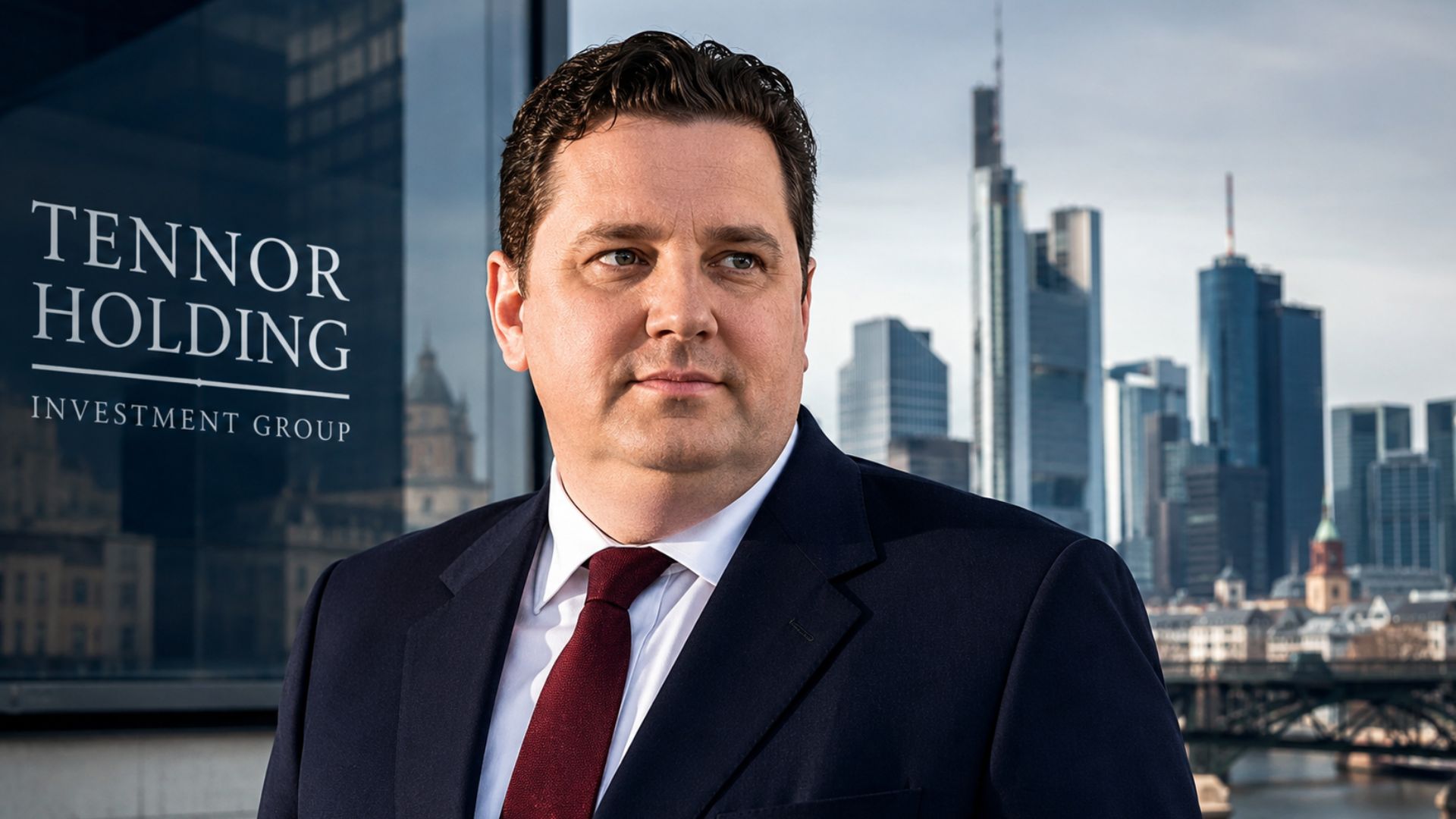
Lars Windhorst: The Rise, Setbacks, and Controversial Career of a German Investor

Lars Windhorst is one of the most recognizable and controversial figures in German business. Known for becoming an entrepreneur at a remarkably young age, he was once celebrated as a business prodigy and compared with some of the world’s most successful technology entrepreneurs. His career has included international investments, major corporate deals, bankruptcies, legal disputes, and a high-profile involvement in professional football. Over several decades, he has repeatedly attempted to rebuild his business empire after serious setbacks. His story remains a striking example of ambition, risk-taking, resilience, and the difficulties that can accompany high-stakes international finance.
Quick Bio
| Detail | Information |
|---|---|
| Full Name | Lars Windhorst |
| Date of Birth | November 22, 1976 |
| Birthplace | Rahden, Germany |
| Nationality | German |
| Profession | Entrepreneur and Investor |
| Known For | Sapinda, Tennor, international investments, and Hertha BSC |
| Early Career | Founded his first business as a teenager |
| Major Business Areas | Technology, finance, investments, real estate, and industry |
| Estimated Net Worth | Public estimates have varied widely and are difficult to verify |
| Current Status | Business activities and legal disputes have continued to attract attention |
Early Life and the Beginning of His Business Career
Windhorst was born in Rahden, a town in Germany’s North Rhine-Westphalia region. His interest in business and technology developed at an early age. As a teenager, he reportedly worked with computers and software and began building machines from components. This early interest eventually developed into his first entrepreneurial venture.
He founded a company while still very young, and his rapid progress attracted significant media attention. During the 1990s, he became known in Germany as a young business talent, sometimes receiving the label of a business “wonder child.” His youth made his success particularly notable because he was operating in international business circles at an age when most people were still completing their education.
His growing reputation also brought important networking opportunities. He participated in business delegations and developed international contacts, particularly during a period when Germany was increasing its economic relationships with Asian markets. These experiences helped establish the international outlook that would later become an important part of his investment career.
From Technology Entrepreneur to Major Business Figure
During his early business years, Windhorst expanded beyond computer-related activities. His companies became involved in technology, trade, and investment opportunities. By the late 1990s and early 2000s, he had become one of Germany’s most widely discussed young entrepreneurs.
However, rapid expansion also brought substantial risks. The collapse of the dot-com boom created serious difficulties for many technology-focused businesses around the world. Windhorst’s business empire was affected by this changing economic environment, and companies connected to him faced financial problems.
In 2003, his business group and Windhorst personally entered insolvency proceedings. The development represented a dramatic reversal for an entrepreneur who had previously been celebrated for his rapid rise. Rather than ending his career, however, the setback became the beginning of a new chapter.
The Sapinda Era
After his earlier business difficulties, Windhorst returned to the investment world. In 2004, he became a co-founder of Sapinda, an international investment group involved in financing and corporate investments.
Sapinda pursued opportunities across several industries and regions. Its investment interests included technology, natural resources, energy, agriculture, real estate, and other sectors. The group’s approach reflected Windhorst’s preference for international and complex business transactions.
The company became associated with large investments and ambitious expansion plans. Like many investment businesses, however, it also faced the challenges of volatile markets, corporate restructuring, and disputes involving creditors and business partners.
Sapinda later underwent significant restructuring, and the group’s corporate identity evolved. In 2019, the Sapinda brand was replaced by Tennor. The new name became closely associated with Windhorst’s later business activities and investments.
Tennor and International Investments
Tennor became the vehicle through which Windhorst pursued a range of international investment opportunities. The group became connected with interests in industries including luxury goods, shipbuilding, property, and finance.
One of the most widely known businesses associated with the investment group was the luxury fashion brand La Perla. Tennor also became involved with industrial businesses, demonstrating the broad range of sectors that attracted Windhorst’s attention.
His investment strategy has often focused on companies facing financial or operational challenges as well as businesses requiring substantial capital. Such investments can offer significant opportunities, but they also involve considerable risk. This has been a recurring feature of his business career.
The complexity of Tennor’s corporate structure and financing arrangements has also contributed to public scrutiny. Creditors, courts, journalists, and financial observers have continued to examine the group’s business affairs, particularly when disputes over debts and payments have emerged.
Lars Windhorst and Hertha BSC
For many people outside the business world, Windhorst became especially famous because of his investment in the German football club Hertha BSC.
In 2019, Tennor began acquiring a major stake in Hertha BSC’s professional football operation. Windhorst ultimately invested hundreds of millions of euros as his ownership interest increased. The investment created enormous expectations because the additional financial resources were expected to help the Berlin club compete at a higher level.
The results, however, did not match those expectations. Hertha BSC continued to experience sporting and management difficulties despite significant investment. The relationship between Windhorst, club officials, and parts of the wider football community also became increasingly tense.
His involvement eventually became one of the most discussed examples of major private investment in German football. Windhorst later sought to exit the investment, and his stake was sold to 777 Partners. The experience demonstrated that substantial financial investment does not automatically produce success in professional sport.
Controversies and Legal Challenges
Any discussion of Lars Windhorst must also acknowledge the controversies and legal issues surrounding his career. Over the years, he and companies associated with him have faced insolvency proceedings, lawsuits, investigations, and disputes with creditors.
In earlier proceedings, Windhorst was convicted in Germany in connection with a breach of trust matter and received a suspended sentence. Other allegations and disputes connected with his business activities have produced court cases or settlements, with outcomes varying from case to case.
More recently, legal and financial disputes involving Windhorst and Tennor have continued to receive international media attention. In 2026, Bloomberg reported that he was sued in the United States over allegations connected with an unpaid debt arising from a bond transaction. Such allegations remain matters for the relevant legal process and should not be treated as established facts before a final resolution.
Bloomberg also reported in March 2026 that a London judge found Windhorst in contempt of court in a long-running dispute involving an unpaid judgment debt and imposed an 18-month suspended prison sentence. A suspended sentence means imprisonment is not automatically served immediately, subject to the conditions set by the court.
These developments underline the continuing complexity of his financial and legal affairs. They also show why reporting about his business career requires careful distinction between allegations, lawsuits, court findings, settlements, and final judgments.
Lars Windhorst Net Worth
Estimating Lars Windhorst’s net worth is particularly difficult. Public wealth estimates have varied considerably over time, and there is no consistently verified current figure that can be treated as definitive.
Earlier rich-list reports valued his wealth in the hundreds of millions, but such estimates were produced during different periods and may not reflect his present financial position. His holdings have also been connected with private companies, investment vehicles, debt obligations, and assets whose current market values are not always publicly available.
For this reason, it is more accurate to describe his net worth as uncertain rather than present a precise figure as fact. Any estimated number should be treated cautiously because corporate assets, liabilities, legal disputes, and changes in ownership can significantly affect an investor’s actual wealth.
A Career Defined by Risk and Reinvention
Windhorst’s career has followed an unusual path. He rose to prominence as a teenage entrepreneur, suffered major financial setbacks, rebuilt his position through international investments, and later became involved in one of the most ambitious investment projects in German football.
His supporters may point to his ability to return to business after repeated setbacks and his experience in international dealmaking. Critics, meanwhile, focus on insolvencies, legal proceedings, debt disputes, and the disappointing outcome of several high-profile investments.
Whatever view is taken, Lars Windhorst remains a significant and much-debated figure in modern German business. His career illustrates both the potential rewards and the serious risks of aggressive entrepreneurship and international finance. For readers interested in business personalities, investment stories, and controversial careers, Mating Press continues to explore notable figures and the stories behind their rise, challenges, and public influence.
FAQs About Lars Windhorst
Who is Lars Windhorst?
Lars Windhorst is a German entrepreneur and investor known for his early business success, his role in Sapinda and Tennor, and his former major investment in Hertha BSC.
How did Lars Windhorst become famous?
He became famous after achieving business success at a very young age and attracting attention as one of Germany’s best-known teenage entrepreneurs.
What is Tennor?
Tennor is an investment group associated with Lars Windhorst. It emerged from the restructuring and rebranding of the Sapinda business group.
How much did Lars Windhorst invest in Hertha BSC?
His investment through Tennor amounted to hundreds of millions of euros as the group’s stake in Hertha BSC’s professional football operation increased.
What is Lars Windhorst’s net worth?
His exact current net worth is not publicly verified. Historical estimates have varied widely, and his private investments, liabilities, and business disputes make a precise current estimate difficult.
Why is Lars Windhorst controversial?
His career has involved bankruptcies, legal proceedings, creditor disputes, high-risk investments, and major public controversies, particularly surrounding his business affairs and former involvement with Hertha BSC.
You May Also Readr https://matingpresss.co.uk/