Nelufar Hedayat: Biography, Journalism Career, Documentaries, and Afghan Heritage

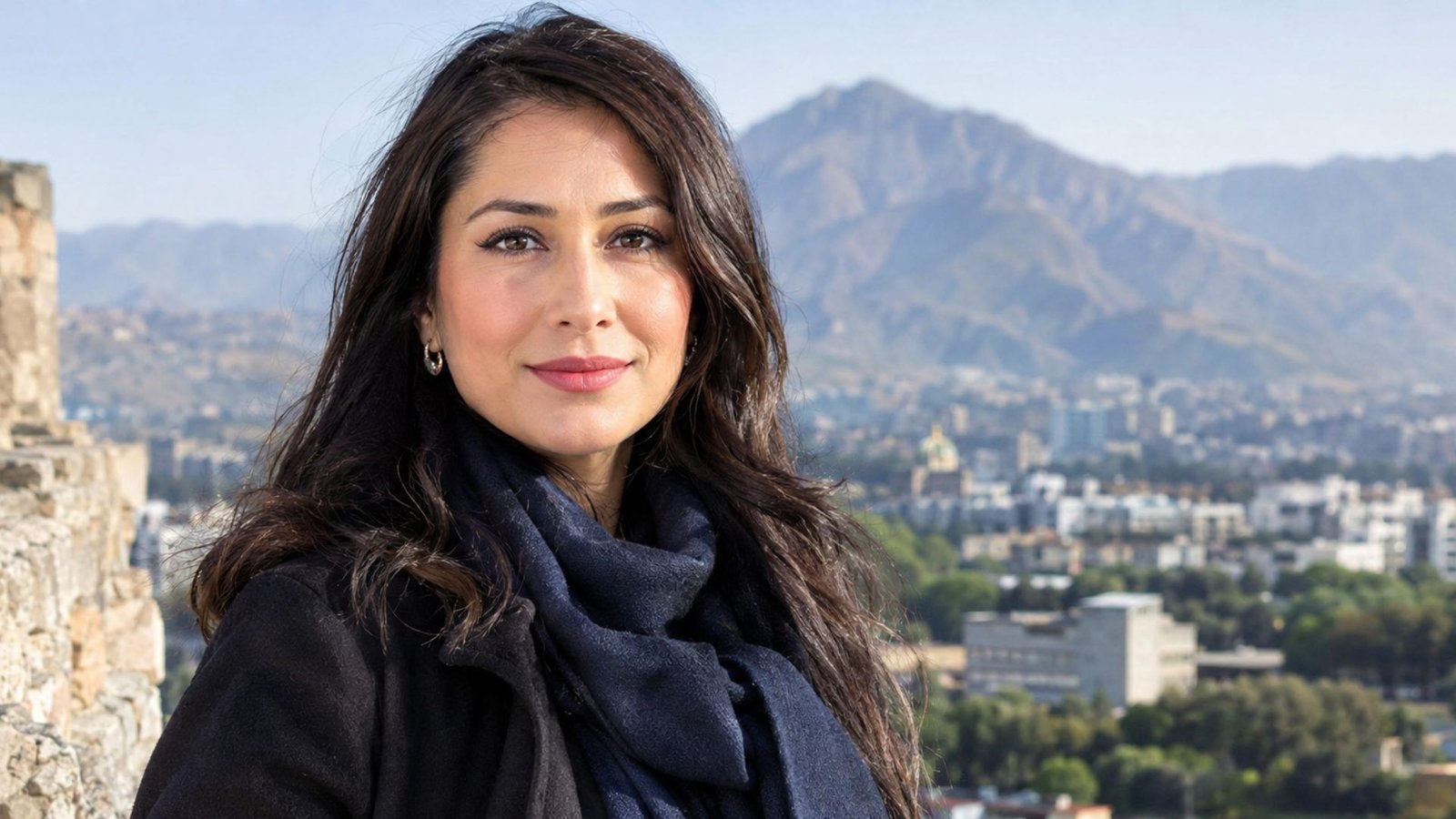
Nelufar Hedayat is an award-winning journalist, documentary filmmaker, presenter, and producer whose career has taken her from international newsrooms to some of the world’s most challenging reporting environments. Born in Kabul, Afghanistan, and raised in the United Kingdom, she has developed a distinctive career shaped by international affairs, human rights, refugees, culture, environmental issues, and the experiences of women and communities affected by conflict. Her personal background and professional experience have both played an important role in the subjects she chooses to explore.
Quick Bio of Nelufar Hedayat
| About Her | Details |
|---|---|
| Full Name | Nelufar Hedayat |
| Born | 1988 |
| Birthplace | Kabul, Afghanistan |
| Nationality | British |
| Profession | Journalist, Presenter, Producer, Documentary Filmmaker |
| Education | University of Westminster |
| Known For | International journalism and documentary filmmaking |
| Notable Work | The Traffickers, Food Exposed, Plastic Time Bomb, Museum on Fire |
| Languages | English, Farsi, Hindi, Dari |
| Areas of Journalism | International affairs, refugees, women, environment, culture, conflict |
Early Life and Afghan Background
Nelufar Hedayat was born in Kabul in 1988. Her family later left Afghanistan and moved to the United Kingdom when she was a child. Growing up with an Afghan heritage while living in Britain gave her a perspective that later became particularly relevant to her work as a journalist.
Her connection to Afghanistan has remained an important part of her professional identity. Rather than simply covering international stories from a distance, Hedayat has often brought a personal understanding of displacement, cultural identity, and the experiences of people affected by conflict to her reporting.
Her background also helped shape her interest in telling stories involving communities whose experiences can sometimes be overlooked in mainstream media.
Education and Beginning of Her Journalism Career
Hedayat studied English Literature at the University of Westminster. Her education helped develop the communication and storytelling skills that would become central to her career.
She eventually entered broadcasting and began building experience with major media organizations. Among her early professional work was reporting and presenting for the BBC, including work associated with BBC Three and CBBC Newsround.
Her early assignments gave her experience covering social and international subjects, while also allowing her to develop the skills needed for television reporting and documentary production.
Rise as an International Journalist
As her career progressed, Hedayat became involved with several prominent media organizations and international outlets. Her professional work has included associations with the BBC, Channel 4, The Guardian, Fusion, National Geographic, PBS, Scripps, and Doha Debates.
Her reporting has covered a wide range of subjects, including conflict, migration, women’s rights, children, health, culture, environmental problems, and international crime.
One of the defining characteristics of her work has been the willingness to investigate difficult subjects while focusing on the people directly affected by them.
The Traffickers and Investigative Reporting
One of Hedayat’s notable documentary projects was The Traffickers, an investigative series examining international black markets and criminal networks.
The series explored different forms of trafficking and illegal trade, including subjects such as the illicit organ trade and wildlife trafficking. It required reporting in different parts of the world and involved examining complicated networks operating across national borders.
The project contributed to Hedayat’s reputation as an investigative journalist and earned recognition from journalism and broadcasting organizations. Her work connected with The Traffickers also received recognition from the British Asian Media Awards.
Food Exposed and Environmental Storytelling
Hedayat has also explored subjects outside traditional conflict and political reporting. Food Exposed with Nelufar Hedayat examined the global food system and the environmental and social questions surrounding food production.
This work demonstrated the range of her journalism. Instead of focusing exclusively on breaking news, she has used documentary storytelling to investigate issues that affect everyday life, including how food is produced and the wider consequences of modern consumption.
Environmental journalism has subsequently become another part of her professional portfolio.
Plastic Time Bomb
Another significant documentary project associated with Hedayat is Plastic Time Bomb. The production examined the environmental consequences of plastic pollution and the challenges created by the enormous amount of plastic entering ecosystems.
The documentary received a National News & Documentary Emmy Award for science, technology, or environmental coverage. The recognition added to Hedayat’s record of work across investigative journalism, science, and environmental storytelling.
Her environmental reporting illustrates how her career has expanded beyond international conflict to include global issues with long-term social consequences.
Museum on Fire and Cultural Heritage
Culture and heritage have also featured in Hedayat’s documentary work. Museum on Fire explored threats facing cultural heritage and institutions responsible for protecting important historical objects and sites.
Her interest in cultural preservation connects naturally with her wider international reporting. Cultural heritage can become particularly vulnerable during conflict, political instability, and environmental crises.
Through documentary storytelling, Hedayat has helped bring attention to the importance of preserving history while showing audiences the human and cultural consequences of losing it.
Work With Doha Debates
Hedayat has also worked with Doha Debates, contributing as a journalist, host, and producer. Her involvement has included projects addressing international affairs and complicated global questions.
She hosted the Course Correction podcast, which explored major issues through conversations and journalistic storytelling. Her work in this area has allowed her to combine reporting with discussion and analysis of subjects affecting people across different countries and communities.
Her ability to communicate complicated subjects to broad audiences has become an important part of her professional profile.
Her Connection to Afghanistan
Afghanistan remains one of the most important subjects in Hedayat’s journalism and personal storytelling. Her experience of leaving the country as a child has given her a personal connection to discussions about refugees and Afghan communities.
She has continued to report and write about Afghanistan, particularly as the country has gone through major political and humanitarian changes.
Following the Taliban’s return to power in 2021, Hedayat’s reporting and commentary have continued to address the experiences of Afghans inside the country and those living abroad. Her personal connection to the country gives an additional dimension to her journalism, although her work also covers many subjects beyond Afghanistan.
Languages and Communication
Hedayat is known for her ability to work across different cultural environments. Her listed languages include English, Farsi, Hindi, and Dari.
Language skills can be particularly valuable in international journalism because they can help reporters communicate more directly with people from different backgrounds. For Hedayat, this has complemented her experience covering international communities and stories involving Afghanistan and the wider region.
Awards and Recognition
Throughout her career, Hedayat has received recognition for her journalism and documentary work. Her professional honors include a Gracie Award and recognition at the British Asian Media Awards.
Her work on environmental documentary Plastic Time Bomb was also associated with a National News & Documentary Emmy Award.
These recognitions reflect the variety of subjects she has covered, from investigative journalism and international crime to environmental issues and cultural heritage.
Nelufar Hedayat’s Continuing Career
Nelufar Hedayat’s career continues to demonstrate how journalism can combine personal experience with international storytelling. She has worked across television, documentary filmmaking, podcasting, and written journalism, while maintaining an interest in issues that affect communities around the world.
Her journey from Kabul to British broadcasting and international journalism is also a story about the changing nature of modern journalism. Her work has moved between conflict reporting, investigative projects, environmental documentaries, cultural preservation, and conversations about migration and identity.
For readers interested in international journalism, Nelufar Hedayat represents a career built around exploring complex subjects and giving audiences access to stories from different parts of the world. Her Afghan heritage remains an important part of her public story, while her professional work demonstrates a much broader range of interests.
For those who want to explore more biographies and profiles of notable personalities, Mating Press continues to provide readers with informative articles covering people, careers, and interesting life stories from different fields.
FAQs About Nelufar Hedayat
Who is Nelufar Hedayat?
Nelufar Hedayat is a British journalist, documentary filmmaker, presenter, and producer known for international reporting and documentaries covering subjects such as conflict, refugees, environmental issues, culture, and investigative journalism.
Where was Nelufar Hedayat born?
Nelufar Hedayat was born in Kabul, Afghanistan, in 1988.
What is Nelufar Hedayat known for?
She is known for her international journalism and documentary projects, including The Traffickers, Food Exposed with Nelufar Hedayat, Plastic Time Bomb, and Museum on Fire.
Where did Nelufar Hedayat study?
She studied English Literature at the University of Westminster in the United Kingdom.
What languages does Nelufar Hedayat speak?
Her professional profiles list English, Farsi, Hindi, and Dari among the languages she speaks.
Has Nelufar Hedayat won any awards?
Yes. Her career has received several forms of professional recognition, including a Gracie Award, British Asian Media Awards recognition, and a National News & Documentary Emmy connected with Plastic Time Bomb.
What is Nelufar Hedayat’s connection to Afghanistan?
She was born in Kabul and left Afghanistan with her family as a child. Her refugee experience and Afghan heritage have influenced some of her journalism and personal writing, particularly her reporting about Afghanistan and displaced communities.
You May Also Readr https://matingpresss.co.uk/